Sumoud
What is Sumoud
Meaning Making
Social Relations
Agency




How to Mesure Sumoud
Qualitative measurement of Sumoud
Quantitative measurement of Sumoud
Biomarkers of Sumoud




Genetics of Sumoud
Concept Note: Sumoud Reframing Human Responses to Trauma
Rana Dajani
Background
Trauma is a universal human experience, present throughout history and across all societies. Yet, in modern discourse which is largely shaped by Western scientific and colonial narratives, trauma has been framed predominantly through binaries: individuals are either victims or resilient survivors. This framing is not neutral. It reflects historical power dynamics in which colonial systems both inflicted trauma and later positioned themselves as saviors, reinforcing a narrative that diminishes the agency and knowledge of affected communities.
This dominant lens perpetuates a deficit-based understanding of human experience, rooted in assumptions of superiority and a lack of trust in people’s capacity to understand and respond to their own realities. As a result, the lived experiences and adaptive responses of communities, especially those historically marginalized are often misrepresented or overlooked.
Problem Statement
The prevailing frameworks of trauma (victimhood vs. resilience) fail to capture the complexity, continuity, and diversity of human responses. These frameworks impose artificial binaries that do not align with how humans as organisms interact with their environments. Across the natural world, adaptation exists on a spectrum. Humans, like other complex organisms, continuously adapt to stressors through dynamic biological, social, and meaning-making processes.
Furthermore, historical documentation of trauma has largely been produced through the lens of the oppressor. Today, communities are reclaiming authorship over their experiences, offering new perspectives that have long existed but remained invisible within dominant scientific paradigms.
Concept: Sumoud
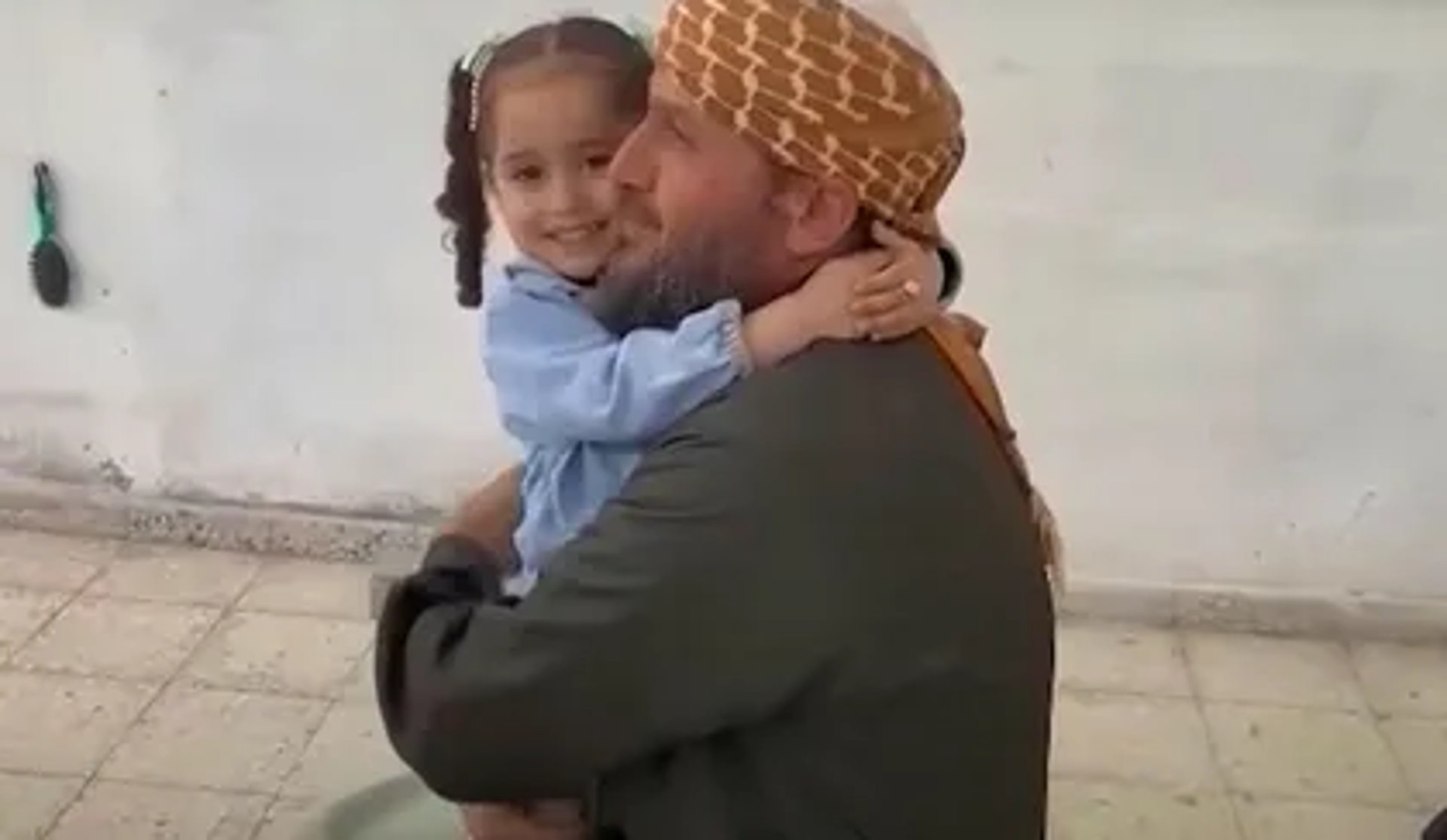
This concept note introduces Sumoud, a term emerging from lived experiences in Gaza, to describe a spectrum-based, endogenous human response to trauma. Sumoud does not celebrate trauma, nor does it reduce people to victims or heroes. Instead, it highlights the richness of human adaptation and meaning-making.
Sumoud is grounded in three interconnected dimensions:
Meaning-making (including faith and spirituality)
Social cohesion (community and collective support)
Agency (the capacity to act, decide, and influence one’s environment)
These dimensions manifest differently across cultures, reflecting localized expressions of human adaptation.
Interdisciplinary Framework
Sumoud is inherently interdisciplinary, engaging multiple fields of knowledge to challenge dominant paradigms and produce a more holistic understanding of trauma and human response. These include:
Epistemology: questioning how knowledge about trauma is produced, who produces it, and whose knowledge is validated
Colonial studies: examining how colonial histories shape current trauma narratives and power dynamics
Feminist theory: centering lived experience, voice, and relational knowledge, particularly from marginalized groups
Islamic thought: exploring faith, spirituality, and meaning-making as core components of human response
Philosophy of science: critiquing reductionist and binary frameworks in modern scientific approaches
Contemporary and future studies: situating Sumoud within present realities while reimagining future frameworks of human understanding
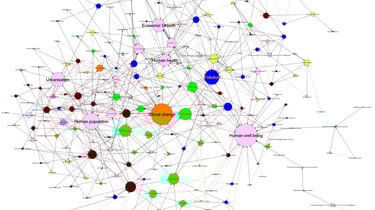
Biology: investigating adaptive processes through evolution, as well as biomarkers such as the epigenome and microbiome
Objectives
The Sumoud framework aims to:
Reframe trauma as a spectrum of adaptive human responses rather than a binary condition
Center local knowledge and lived experience in defining and measuring these responses
Develop culturally grounded measurement tools for Sumoud behaviors
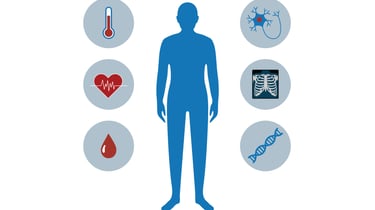
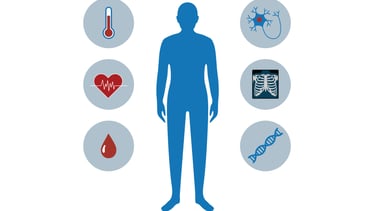
Explore biological correlates (e.g., epigenome, microbiome) associated with adaptive responses
Examine trauma through temporal and transgenerational lenses
Document narratives from communities, including Gaza, to build an evidence base rooted in lived experience
Approach
This initiative will adopt an interdisciplinary and community-driven approach:
Co-develop definitions and indicators of Sumoud with local communities
Integrate qualitative narratives with quantitative biological data
Investigate transgenerational transmission of trauma and adaptation
Analyze the roles of faith, family, education, and social structures
Produce alternative documentation that challenges dominant narratives
Outputs and Activities
Concept paper and research publications
Formation of a global coalition
Dedicated website and digital platform
Workshops and community engagements
Artistic outputs (film, music, visual art, calligraphy, logo)
Special journal issue on Sumoud
Impact
Sumoud seeks to shift how trauma is understood across disciplines, from public health to social sciences and beyond. By illuminating a previously under-recognized dimension of human experience, it aims to influence research, policy, and practice fostering more equitable, respectful, and context-sensitive approaches to trauma globally.